Firecracker Sale
25% Off Learning Resources!
Coupon Code: FIRECRACKER26 At Checkout
Hear what 60 years sounds like
Since 1966, One Standard: Actually Playing Jazz.
While YouTube fills your feed with hobbyists and amateurs, one professional has been quietly doing this right since 1966. His students don't learn about jazz. They play it.
The Youtube Trap Is Costing You Years

You're Not Stuck Because Jazz Is Hard. You're Stuck Because of Who's Been "Teaching" You.
There are thousands of jazz guitar lessons online. New ones appear daily. And if any of them actually worked, you wouldn’t be here.
Here’s what they don’t want you to understand: fragmentation is the product. Every video that ends with “like and subscribe for part two” is a business decision, not an educational one. Your attention is the goal. Your progress never was.
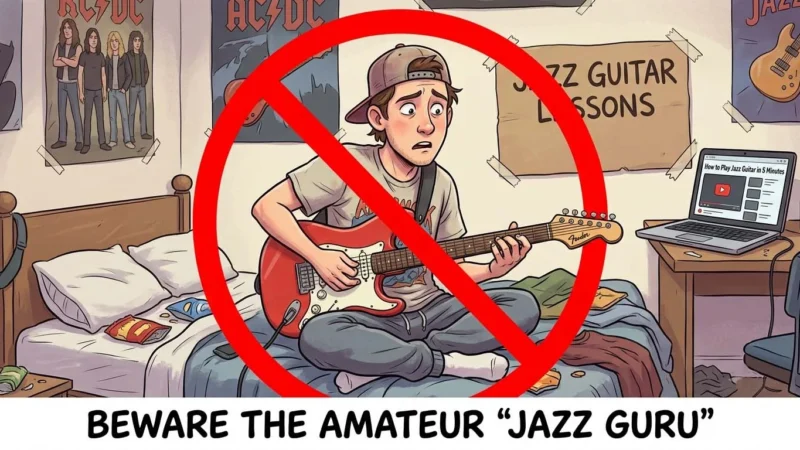
Most of these “instructors” learned jazz the same way you’re trying to — from other free lessons online. They’ve never played a professional gig. Never been tested on a real bandstand or had an audience other than their bedroom walls.
Meanwhile, weeks turn into months, months into years, and you still don’t sound the way you hear it in your head.
That’s not a you problem. That’s an instruction problem.
What does 60 Years of Pro Playing Look Like?
Hint: It's not 2,783 Youtube videos.
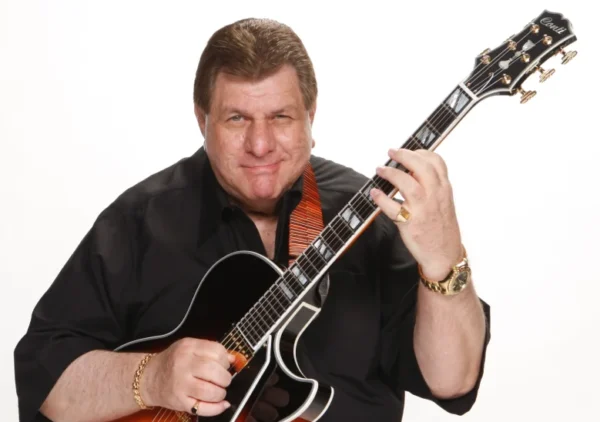
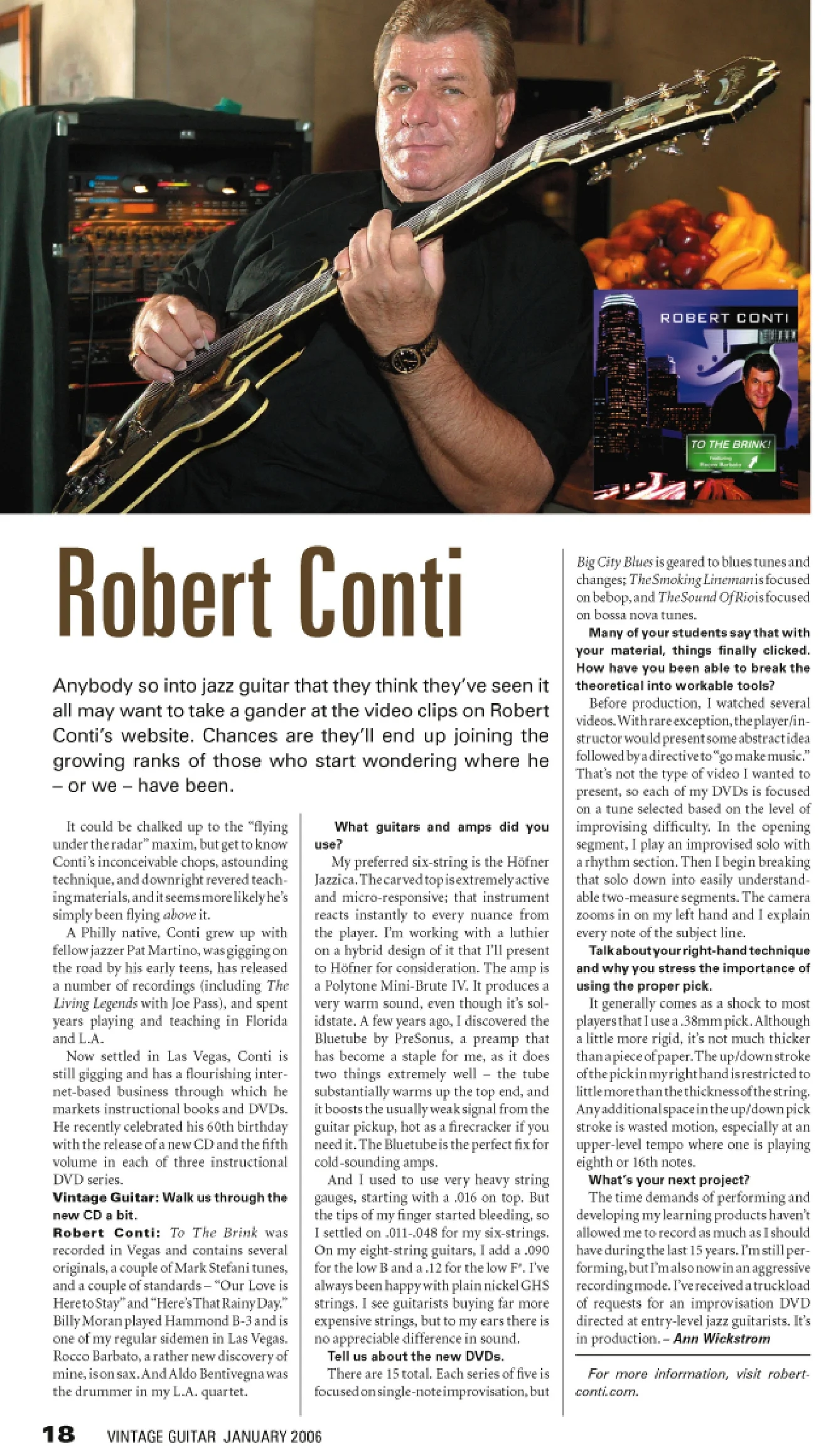
 Conti didn’t learn jazz from YouTube. He learned the way jazz was meant to be learned — by playing it, professionally, for decades, in front of people who demanded the real thing. The video at the top of this page wasn’t Robert playing around in a garage with some friends. It was filmed during the actual recording session of his album titled “To The Brink!”
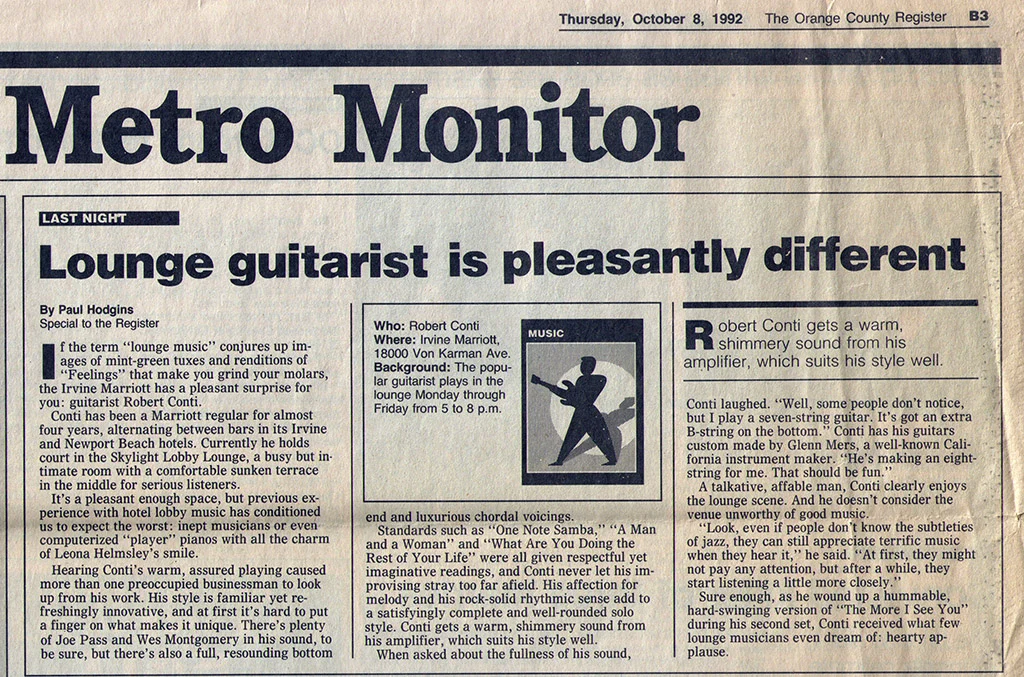
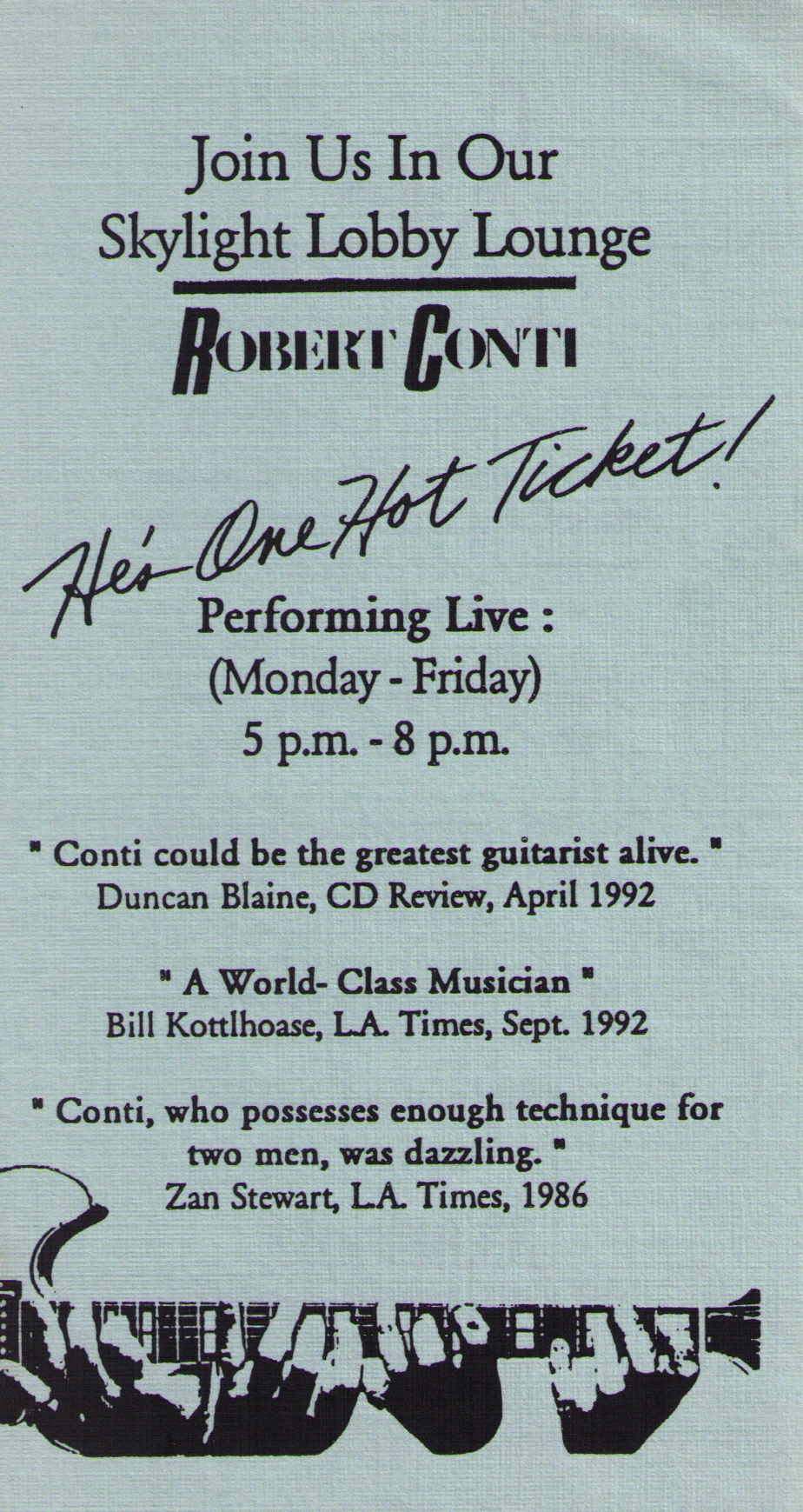
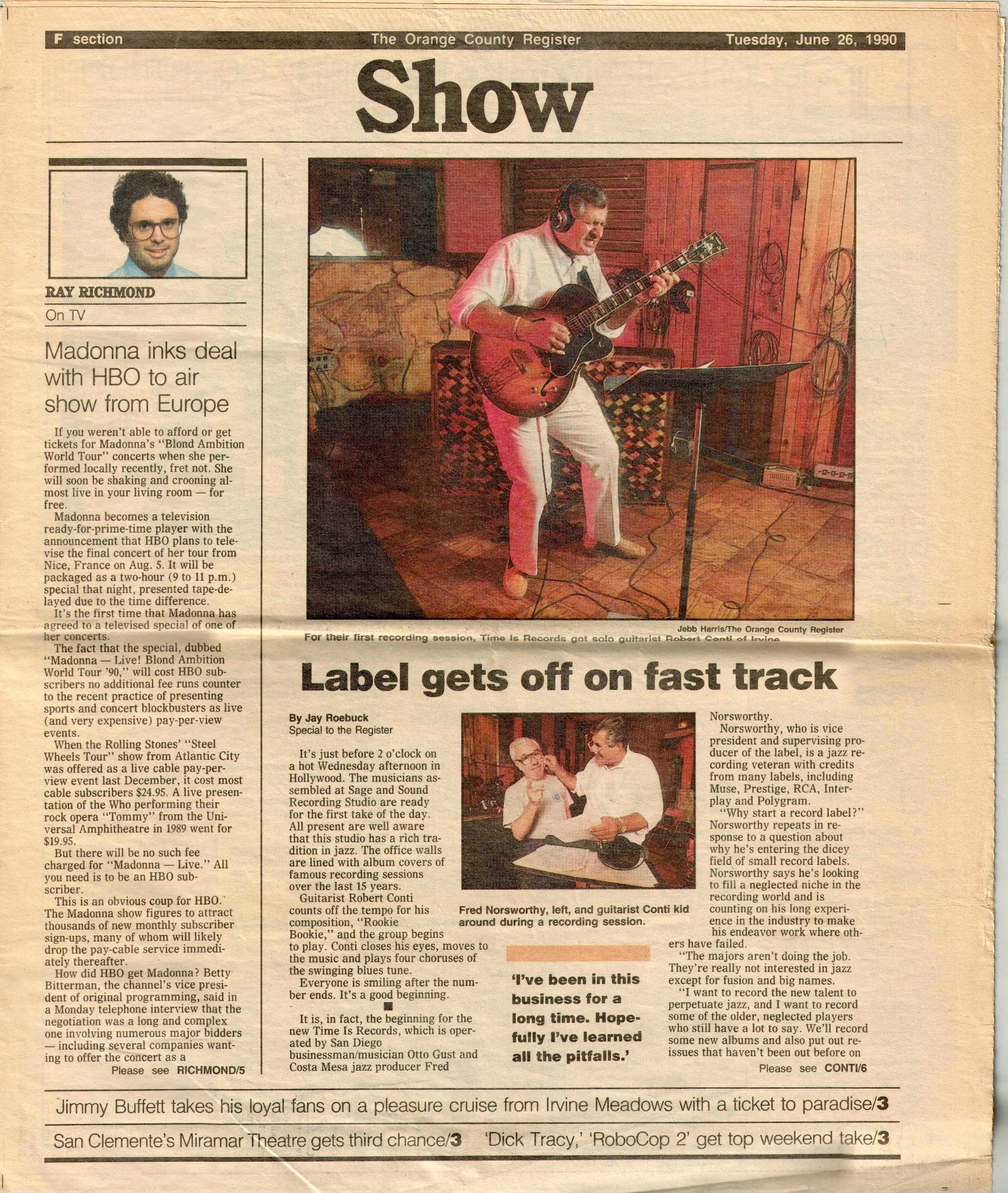
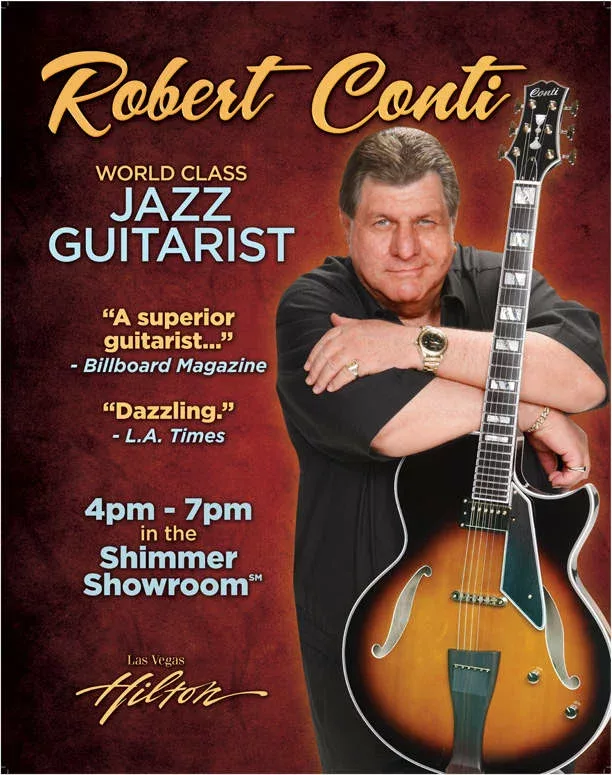
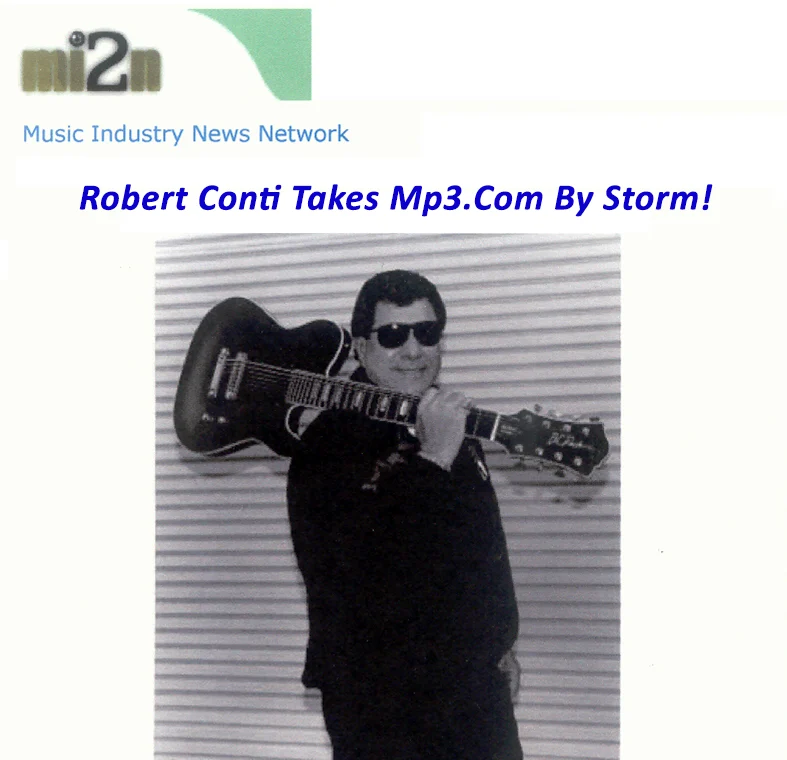
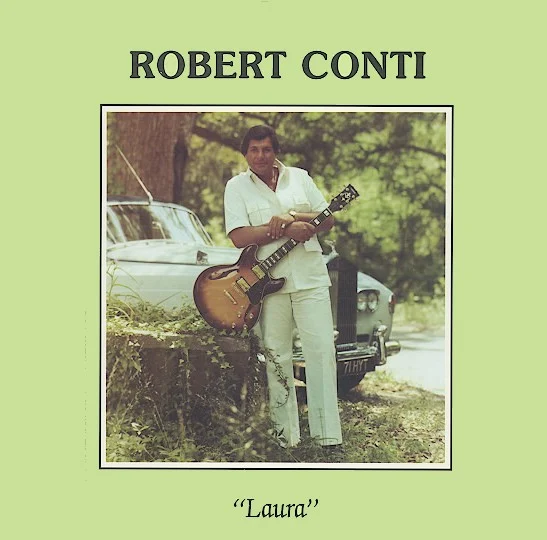
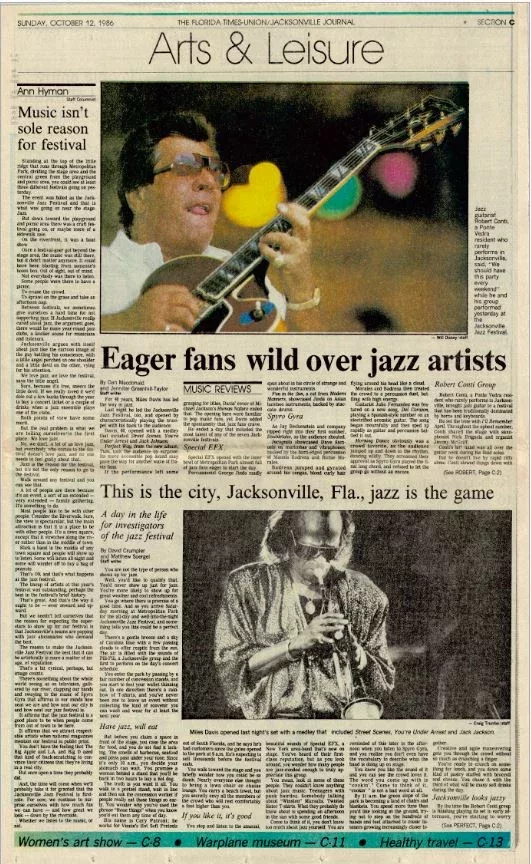
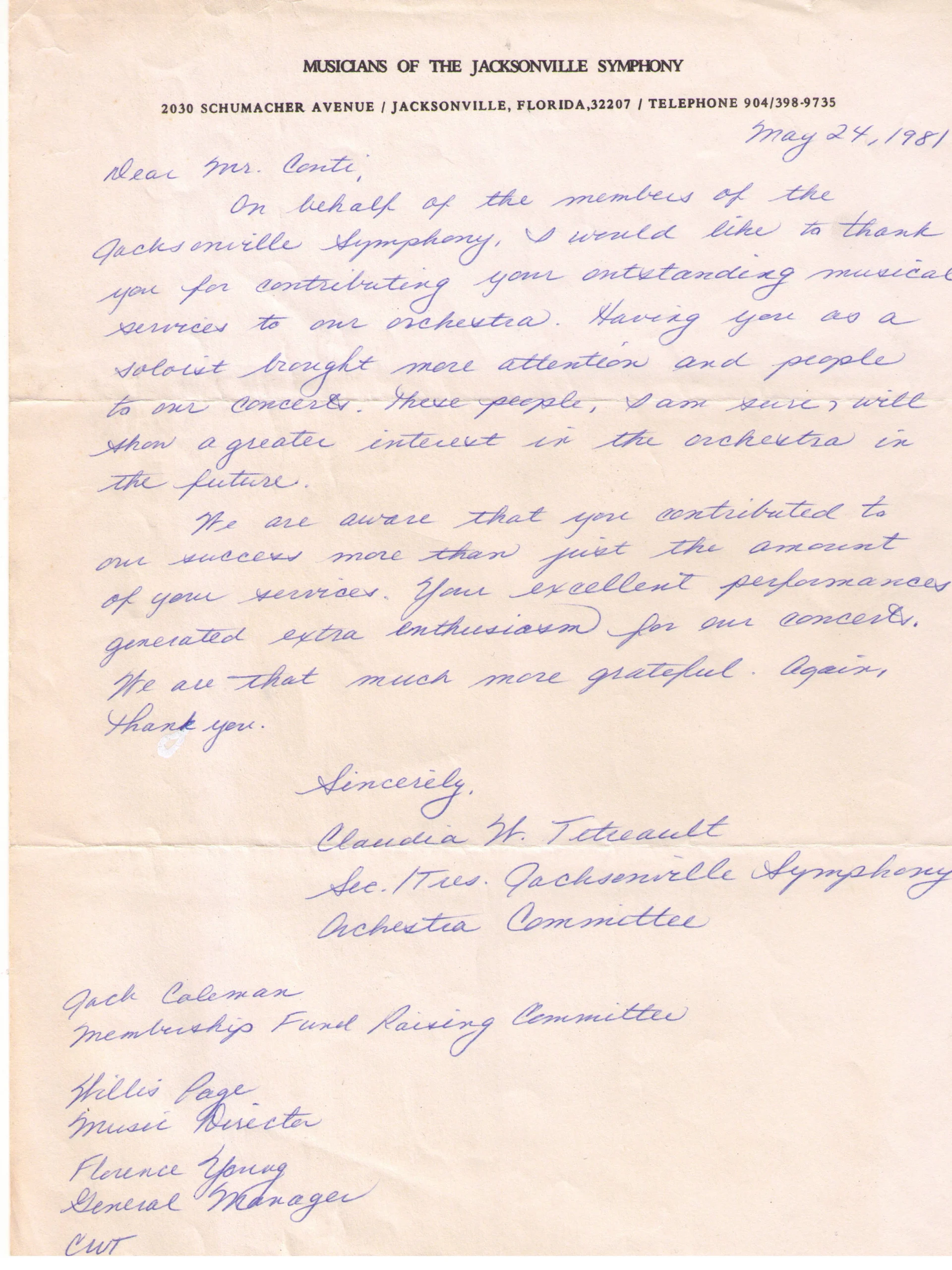
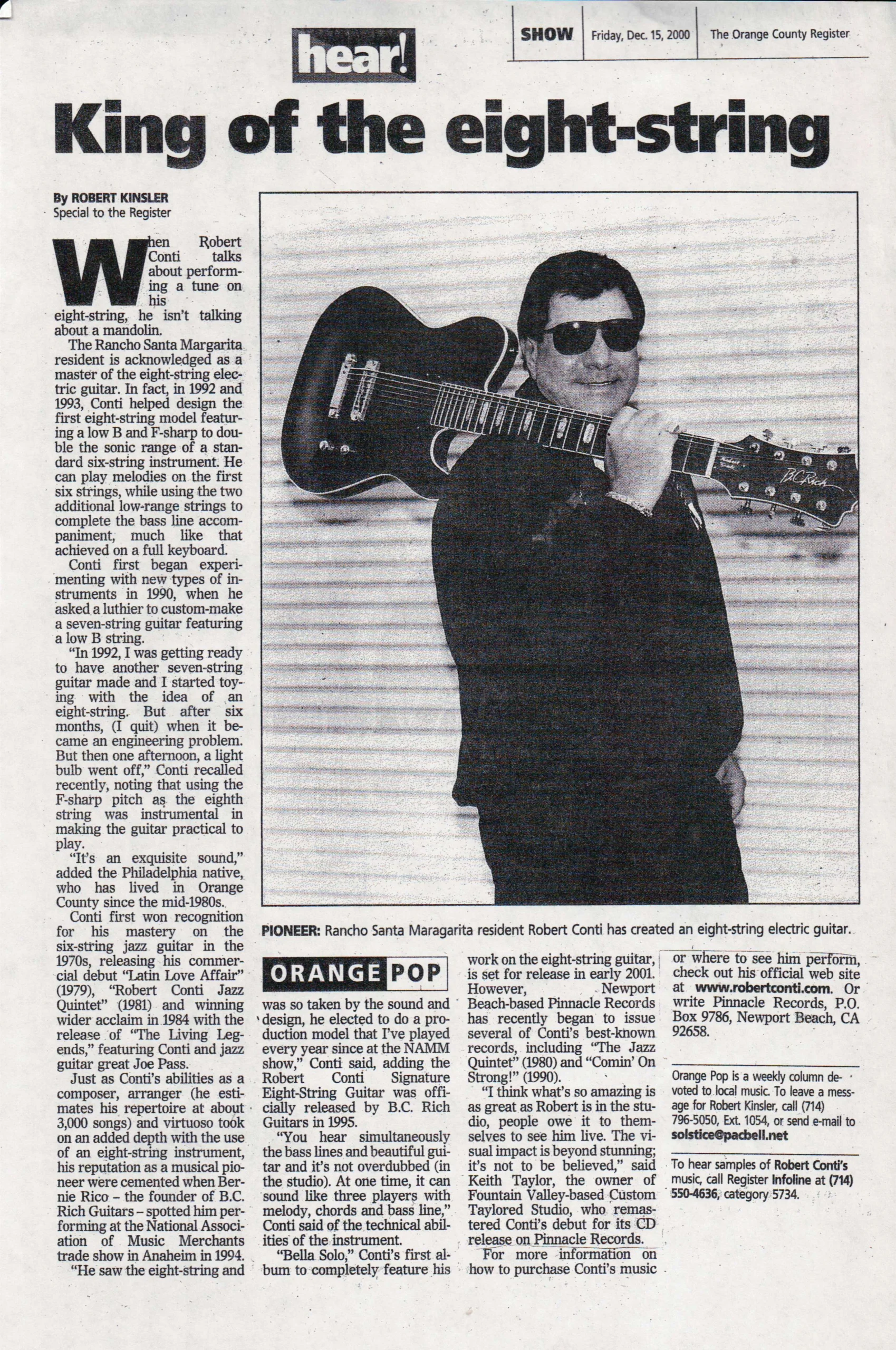
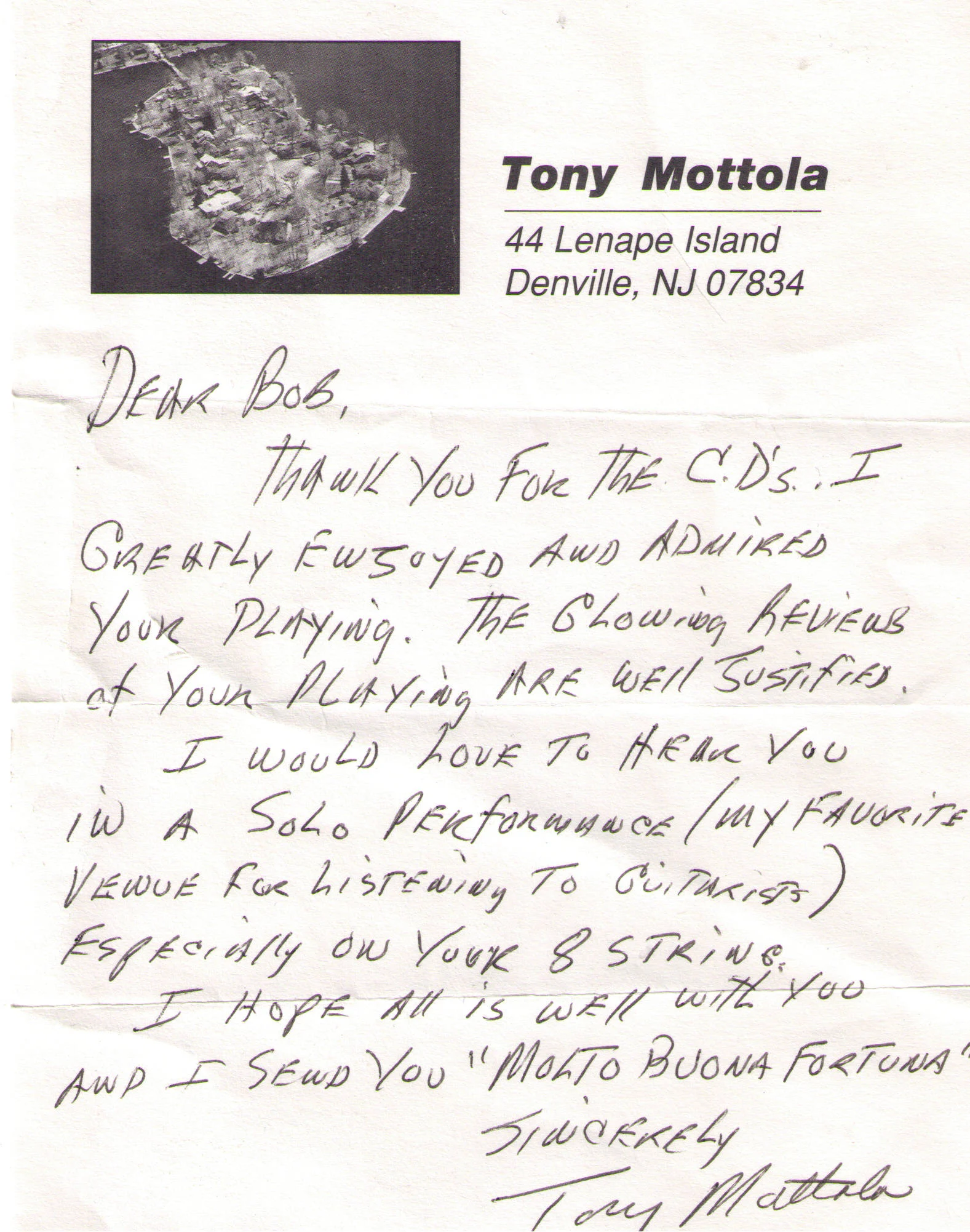
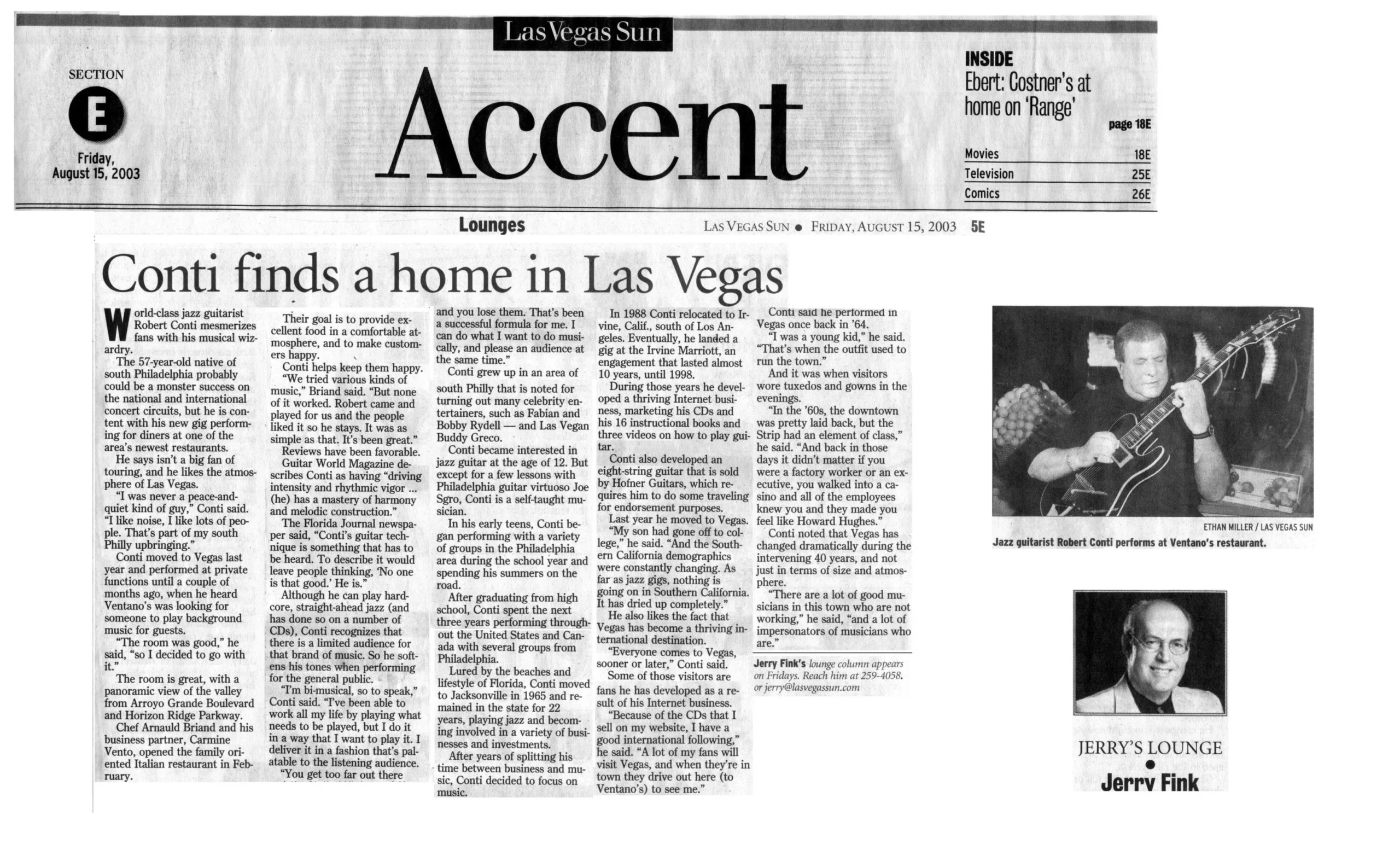
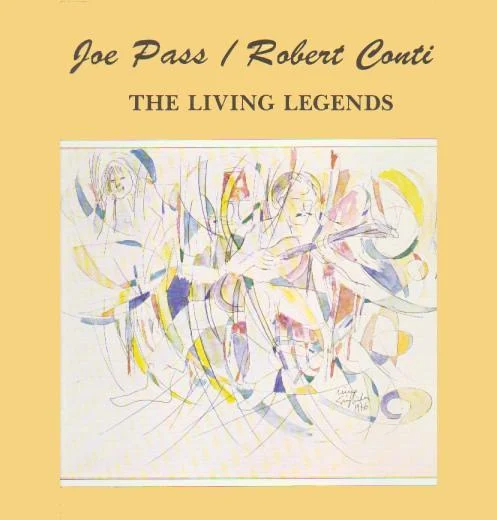
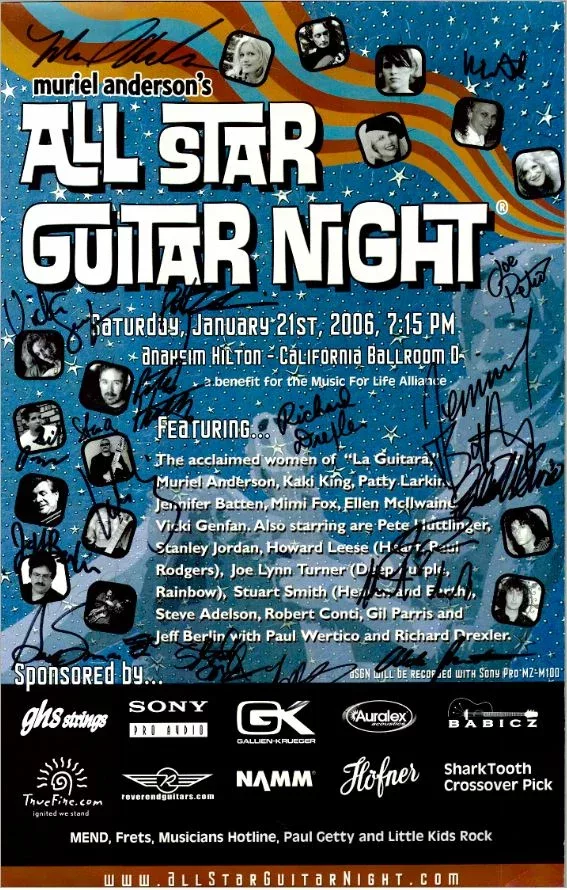
Since 1966, Robert has built a career that most guitarists only read about. He has performed at the highest levels of the profession, earned recognition from the press and peers, and spent the last several decades doing something rare among players of his caliber:
Teaching — and doing it exceptionally well.
The ability to play jazz at a professional level is uncommon. The ability to break that knowledge down and transfer it to a student in a way that produces rapid, measurable improvement is rarer still. Robert has both.
His approach isn’t built on modes, scales, or music theory exercises that keep you busy without making you better. It’s built on playing jazz — the way jazz actually works, learned from someone who has actually lived it.
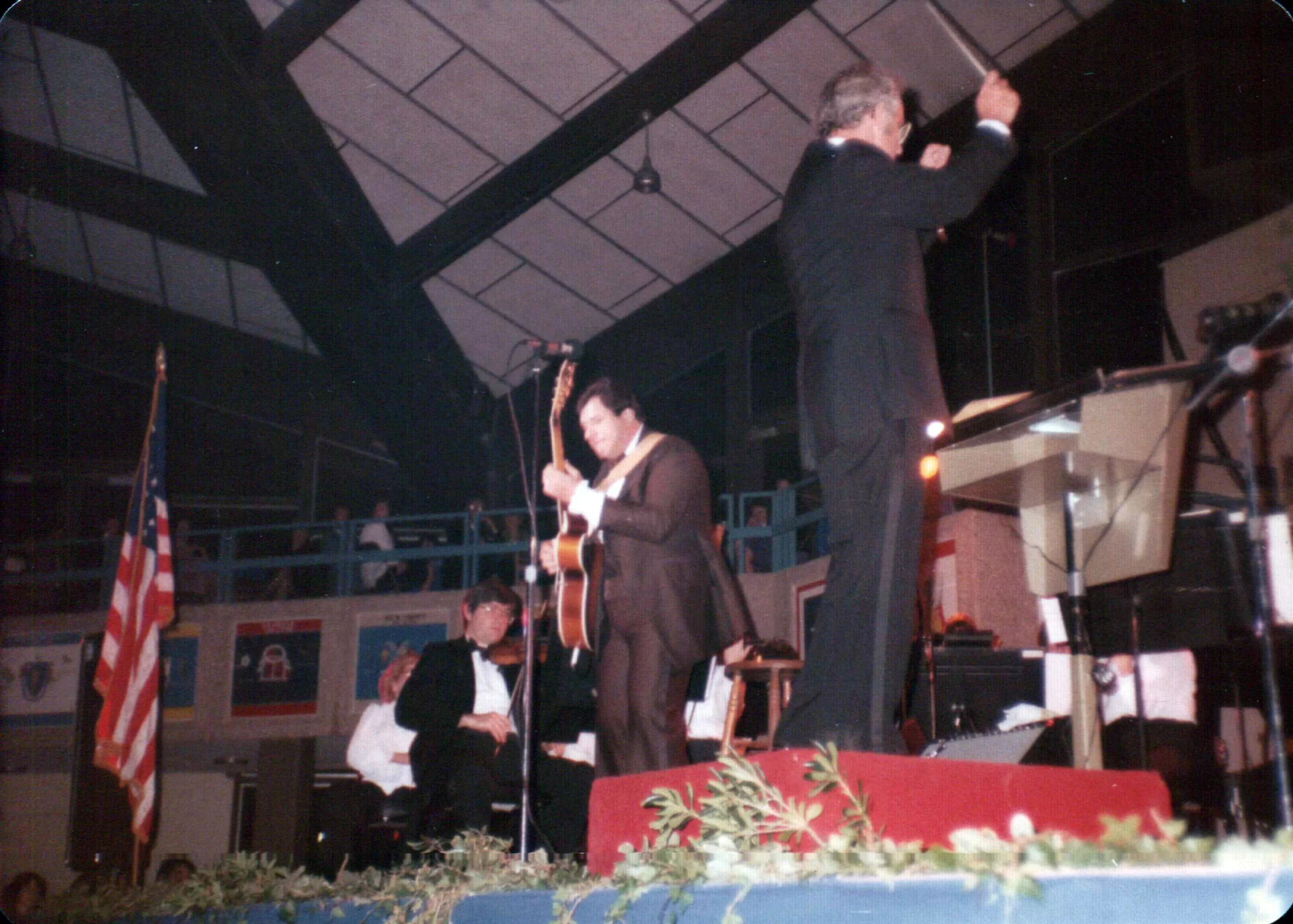
Was he really a pro 60 years ago? You decide.
This excerpt is from a 1969 television performance. 23 year old Robert Conti demonstrates a high level of acquired skill as he solos over One Note Samba:
The Proof? It's Always in their playing
Here's what changes when real instruction enters the picture.
These aren’t professional musicians. They’re accountants, teachers, retirees, and weekend players — people who were exactly where you are. Stuck at the same level for years. Frustrated by instruction that promised progress and delivered confusion. Tired of watching instead of playing. What you’re about to hear is what happens when a professional takes over the instruction — and these are short term results.
Every Review Verified. Every Result Earned.
When instruction actually works, people talk. Robert's students are no exception.
Show More
Show Less
Show More
Show Less
Show More
Show Less
Show More
Show Less
Show More
Show Less
Show More
Show Less
stop losing time. Start gaining skill.
Here’s the honest truth about free jazz lessons:
They’re not free. You pay for them with your time. And if the instruction isn’t moving you forward, that time is gone.
One serious lesson with a qualified instructor — someone who has spent decades mastering and teaching this music — is worth more than a year of YouTube playlists. Not because it costs money, but because it actually works.
The Conti teaching platform is built on a single premise: the fastest path to playing jazz is learning from someone who plays jazz. Not someone who teaches music theory. Not someone who teaches guitar. Someone who has spent their entire professional life playing jazz at the highest level — and who has proven themselves successful in passing that knowledge on.
If you’re ready to find out what real instruction feels like, the next step is simple.
Test drive a lesson. Hear the difference. Then decide.